Decisions made with the room hold
Participatory Sensemaking is not a workshop. It is why a choice still makes sense after the people who made it have gone home.
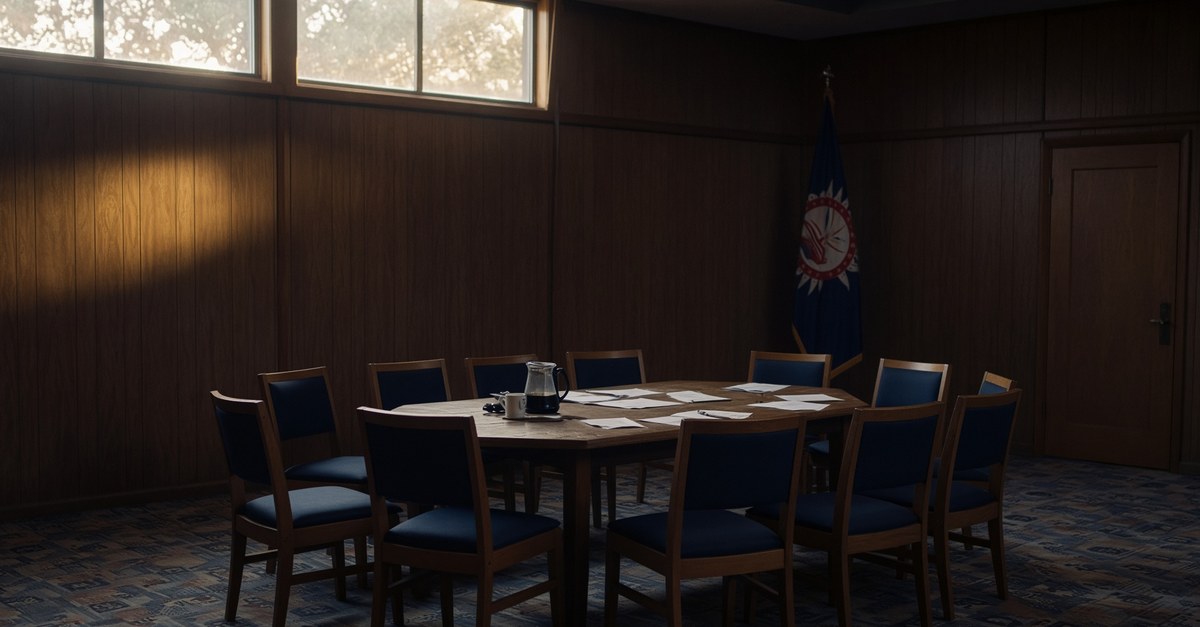
I have sat in rooms where the decision was already made and the meeting was a courtesy. Everyone in those rooms can feel it. The language gets careful. The questions get smaller. People start translating their actual knowledge into something that will not disturb the slide. Then the decision ships, and six months later it has been quietly rewritten by the people who were in the room but not in the choice.
Participatory Sensemaking is the name I gave to the other pattern. Meaning is made collectively. Decisions made with the room hold longer than decisions made for it. Not because consensus is morally prettier. Because a decision the room helped make is a decision the room can still explain when the original champion is gone.
This is the second core construct of Adaptive Inclusive Leadership Theory. Inclusive Adaptive Capacity tells you who has to be in the room. Participatory Sensemaking tells you what the room is for. It is not for applause. It is for making a shared account of what is true, what is at risk, and what we are willing to pay.
In a clinic the account is specific. Why the no-show rate jumps on the third Thursday. Why a family drives an hour past a closer facility. Why a nurse will not enter a note the way the form wants. If those facts are collected by an analyst and presented as insight, they become someone else’s story. If they are spoken in the room by the people who live them, they become the floor the decision has to stand on.
There is a cost. Shared meaning is slower than a mandate. You will spend time on disagreements that a founder could have papered over in ten minutes. Some of those disagreements are noise. Some of them are the only signal you will get before a model learns the wrong thing about a community. The work is telling them apart without using rank as a shortcut.
I apply this to sovereign AI the same way I apply it to a board agenda. A model that classifies, recommends, or drafts inside a clinic is participating in sense-making whether we admit it or not. If the people who will be held responsible for its errors did not help define what “right” looks like, the model is making meaning for the room. That will not hold. It will be worked around, then distrusted, then blamed, in that order.
So the design question is not “did we notify stakeholders.” The question is “can the people who carry this still tell the story of why it works this way, in their own words, without calling us.” If the answer is no, we did not finish.
Chikasha is the cleanest example I have. A language model that does not sit with speakers, teachers, and the people who still use the language at the grocery store is a museum piece with a chat box. The room has to include the people who will know, immediately, when the model has said something that is technically plausible and culturally wrong. That knowledge does not survive a pipeline that treats them as testers of a finished thing.
Psychological Safety is the channel. If a person in that room believes that naming a problem will cost them standing, they will not name it. Then you get a polite consensus and a brittle system. Participatory Sensemaking without safety is theater. I have been in that theater. I will not build it.
The test I use is simple. After the meeting, ask someone who does not have a title to explain the decision to someone who was not there. If they can, the room made meaning. If they recite a slogan, we performed inclusion and skipped the work.
I am not patient by nature. The theory is what makes me sit still. The sitting is the job.