Vol. 1 · September 2026 · Ada, Oklahoma
Building the next hyperscaler one node at a time.
A daily journal on sovereign AI infrastructure for nations and communities, and the leadership theory underneath it. Written from Ada, Oklahoma.
Latest entry
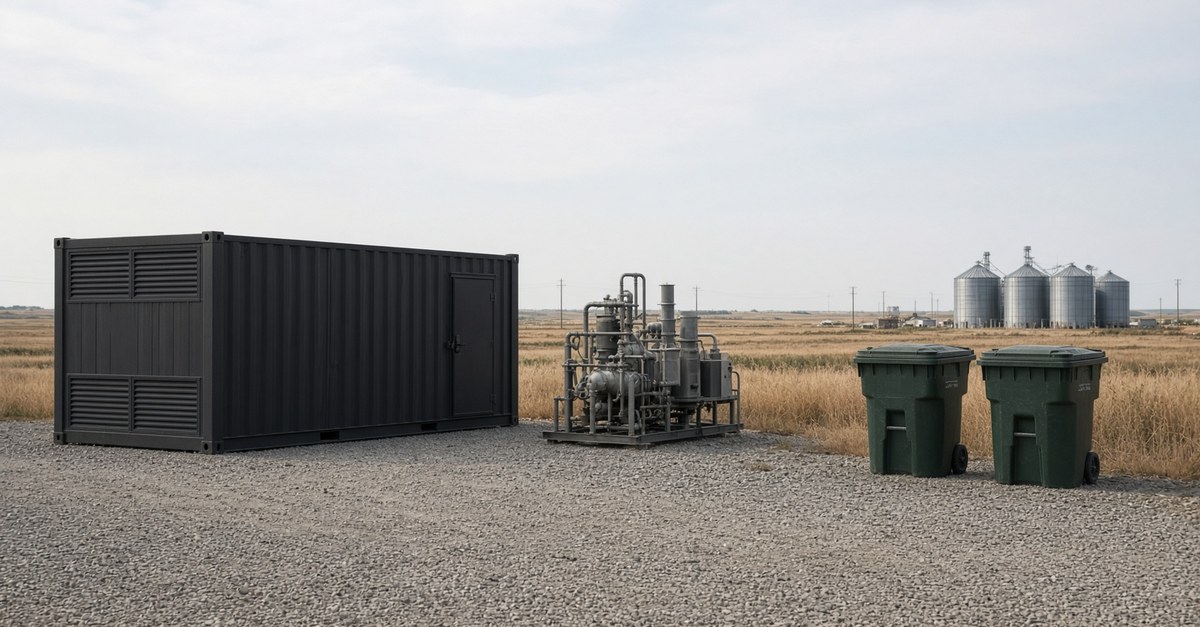
Federal dollars just reached a Juneau utility. A node follows.
The DOE just sent $125M to 63 tribal energy projects. What that money is really buying is the right to build infrastructure that answers to no one but the nation.

The moat is inside the clinic, not around it
PHI that never leaves the node is not just a compliance posture. It is the business model.

Borrowed rails run fast. They just don't run yours.
Sovereignty Tension is the real cost of speed. Every node you don't own is a clock someone else sets.

The channel has to be open before the signal travels
Psychological safety is not the goal of inclusive leadership. It is the medium every other construct requires to function.

California just showed you the bill for rigid rules
California cities are killing data centers because state regulations couldn't flex. That is not a California problem. That is a leadership problem with a known fix.
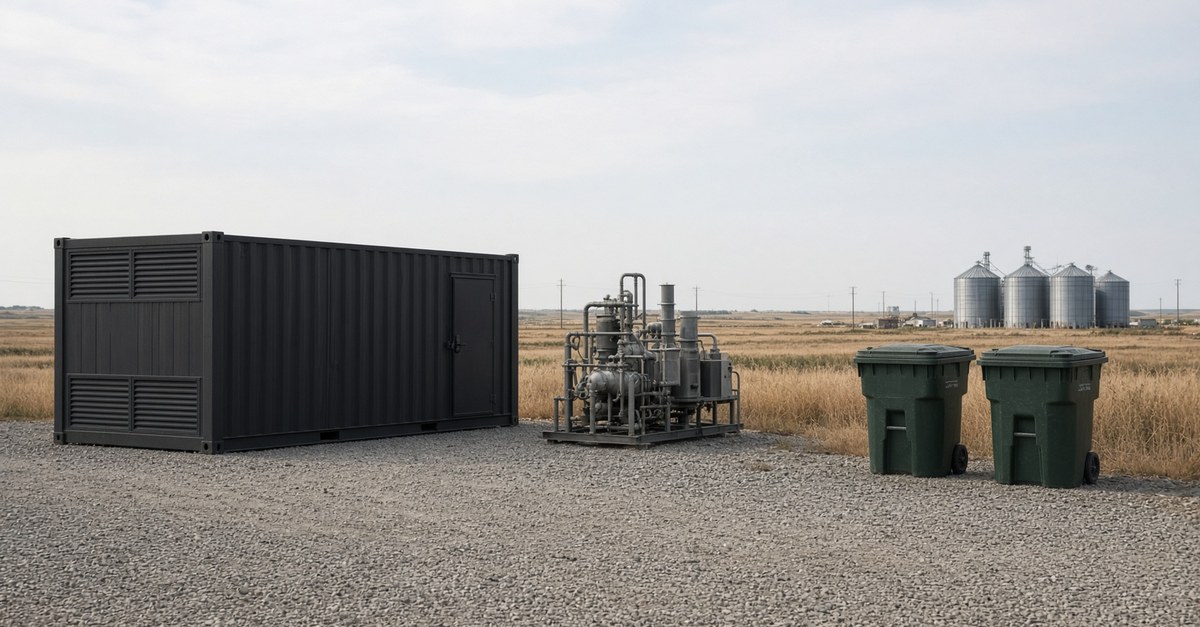
Readers told the industry: ask us first
Native News Online readers want tribal say over data centers on their land. That demand is the architecture Sovereign Shield is already building toward.
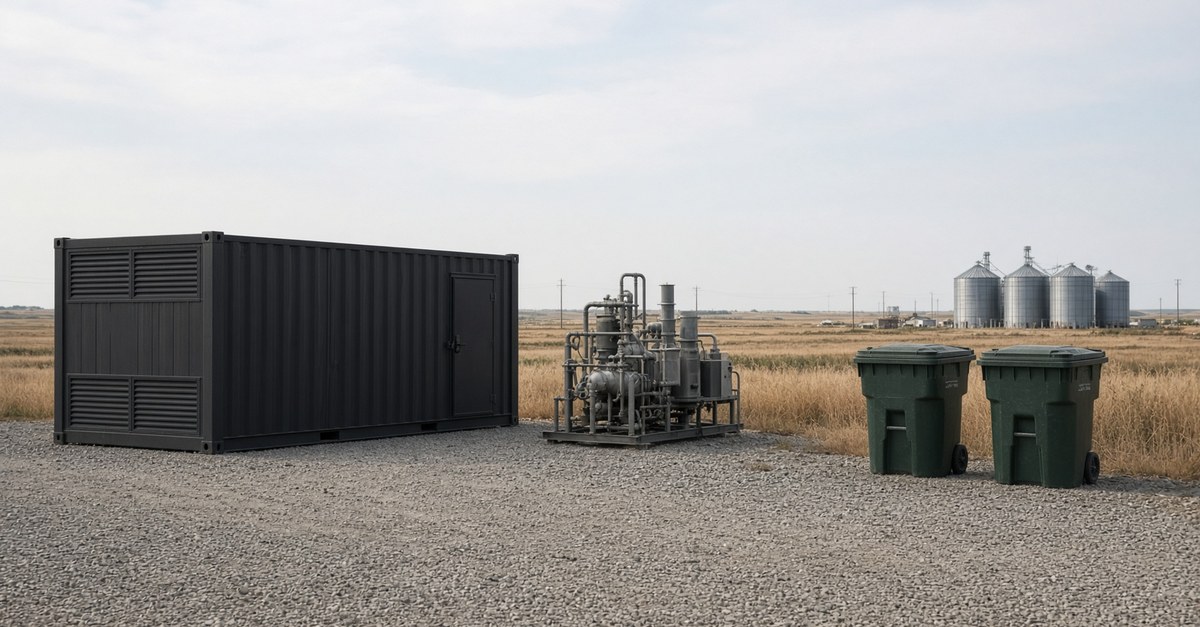
Developers are circling tribal land. Here is what they miss.
Outside developers see cheap land and favorable regs. A sovereign node is something different: infrastructure the community owns and operates.

The room already knew. You just didn't ask.
Participatory sensemaking isn't a workshop technique. It's the difference between a decision that sticks and one you'll revisit in six months.

The company that owns the rack owns the clock
Flexxon just backed sovereign AI hardware. The real question isn't who hardened the chip. It's who controls the time.

The pharmacy fraud case teaches a leadership lesson
A Queens pharmacist took $24.4M from Medicare. The system that let it run this long had a widening problem, not a fraud problem.

The governance layer has to pour before the concrete does
Why AILT sits under the infrastructure in the Sovereign Shield architecture, and what that order actually costs.

One phone, one founder, one working AI stack
What solo building with AI reveals about leadership theory that no framework text will tell you.

The keys you keep slow the clock you need
Sovereignty Tension is real and it costs something. Here is how to name the bill before you pay it.

Flexible data policy still picks a winner
Flexibility without equity doesn't level the playing field. It just hands the advantage to whoever was already holding it.

PHI that stays put is a product, not a policy
When raw health data never leaves the local node, compliance becomes the least interesting thing about it. The business case is bigger than the regulation.

Congress wants AI chatbot safety. Safety for whom?
Psychological safety is not a destination inside a team. It is the channel every other leadership construct travels through, and blocking it blocks everything.

Federal broadband money has a rule for every dollar
Navigating federal broadband aid means a different rulebook for every agency. That is not a bug. It is the cost of consistency.
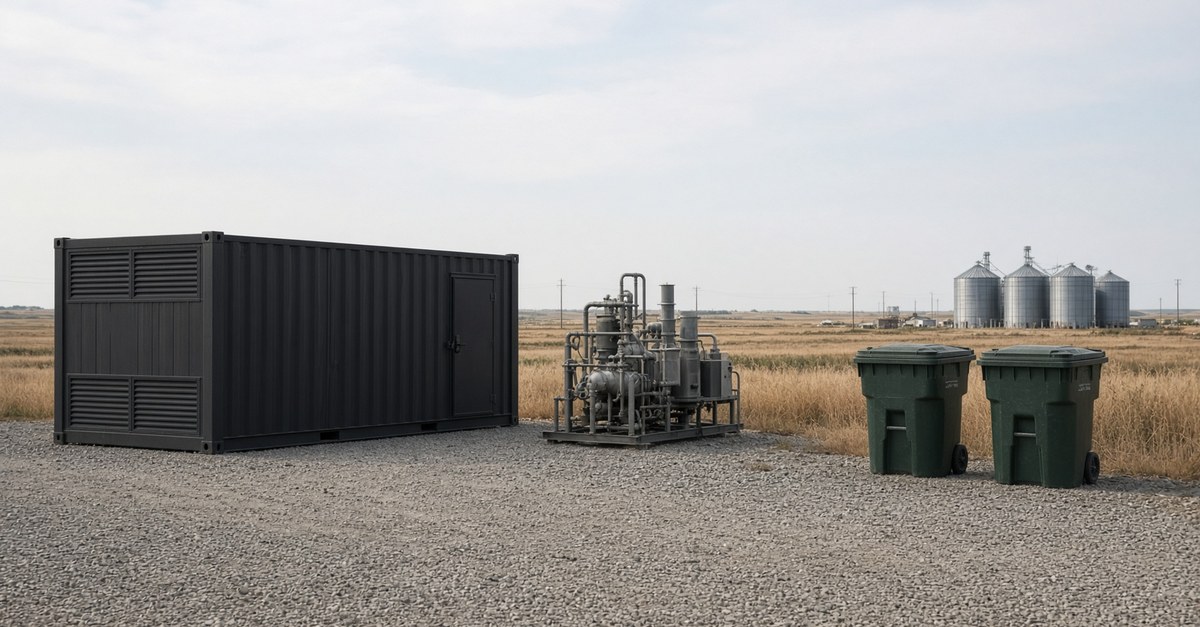
The Department of Energy just handed tribes a blueprint
The DOE mapped tribal data center economics. Here is what the map does not show you about building a sovereign hyperscaler one node at a time.

Computers cannot make decisions
A machine can rank options. It cannot carry the weight of a room that was never asked.

The speed you buy is still someone else's map
Sovereignty Tension is real: the faster you borrow infrastructure, the more your data moves on someone else's terms.
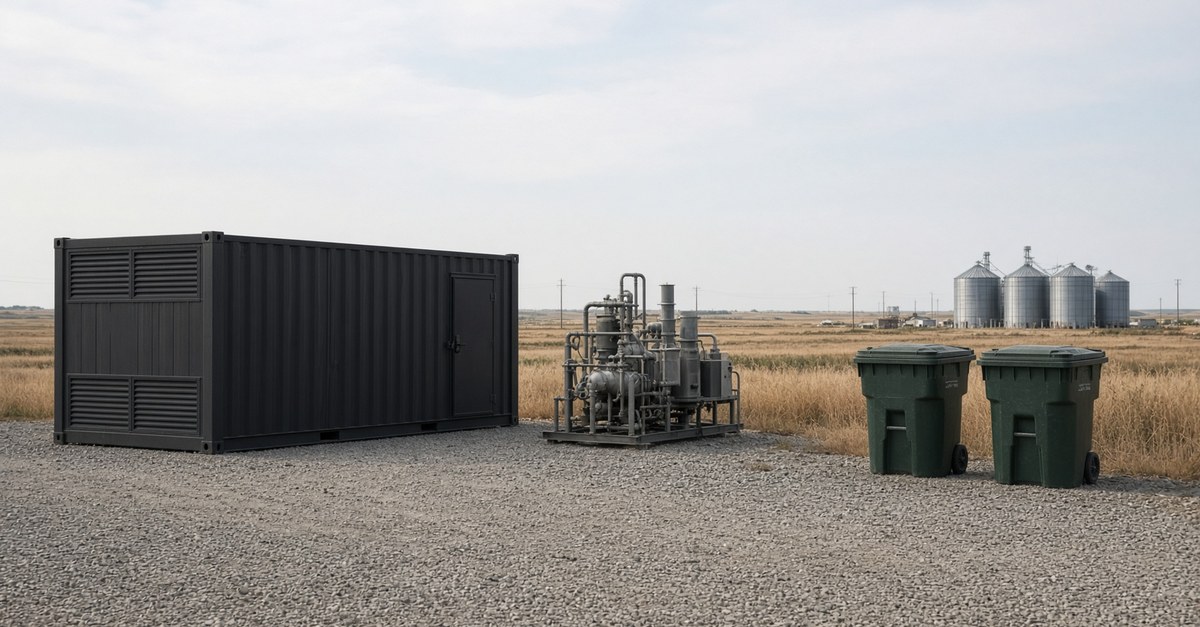
The Cheyenne and Arapaho said no to the data center
A tribe just blocked a data center. That vote is not a wall. It is a map of what sovereign infrastructure has to be.

The speed you rent is the control you filed away
UAE and NetApp just formalized what every sovereign builder already feels: borrowed infrastructure moves fast and belongs to someone else.

Five hospitals got the AI. The question is who was in the room.
West Virginia just wired five rural hospitals for AI. Whether that technology adapts to the community depends on who shaped it first.
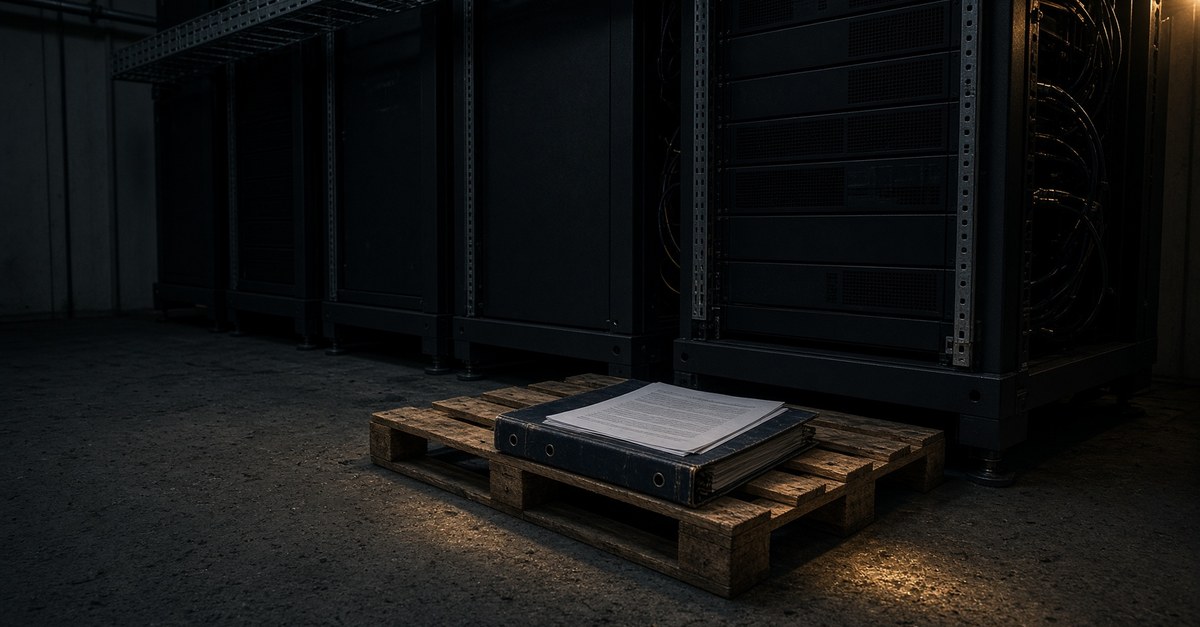
Anthropic got the moonshot. Who holds the governance layer?
Anthropic just joined the ARPA-H clinical AI moonshot. That is the compute layer moving. The governance layer is a different question entirely.

What a phone builds teaches what a framework misses
Solo building with AI reveals the gap between leadership theory and the decisions that actually happen at 11 p.m. with no team.
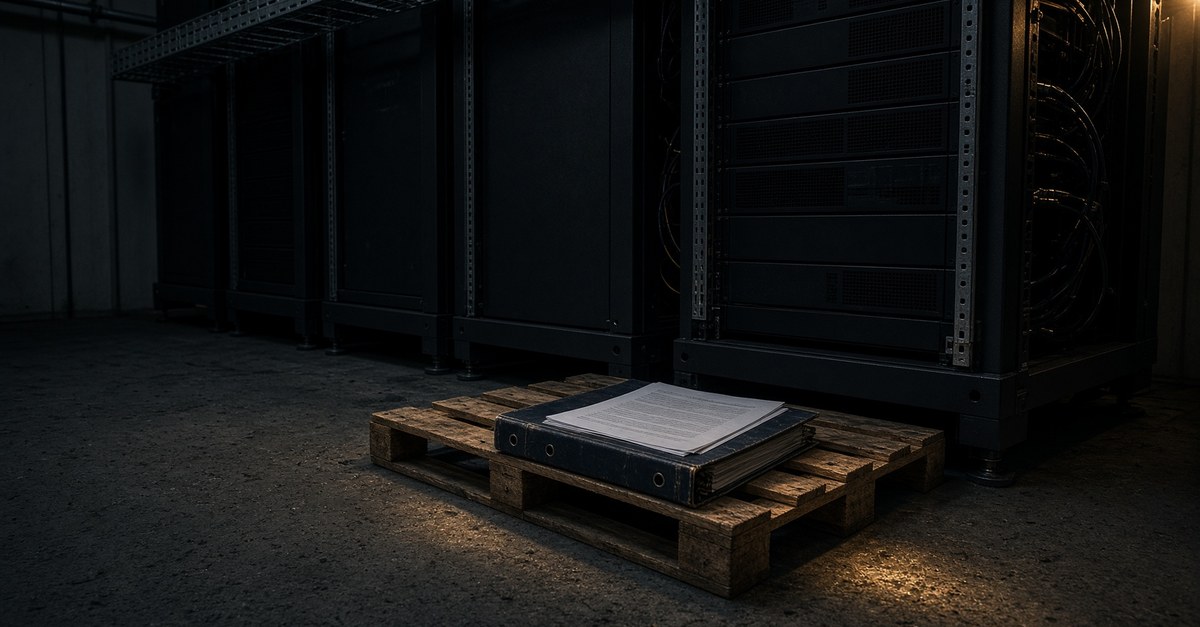
The governance layer is not a formality
Anthropic is now inside ARPA-H's clinical AI push. The question that matters is not who builds the model. It is who holds the rules that govern it.

The speed you borrow is the sovereignty you give back
Palantir and Armada's new partnership surfaces the oldest trade-off in infrastructure: speed now versus control later.

Flexible hours did not fix the night-shift clerk
Equity-centered flexibility means designing adaptations that close gaps, not ones that let the already-advantaged move faster.

The node that holds the keys is the business
PHI that never leaves the local node is not just a compliance posture. It is a structural business advantage that no outside hyperscaler can replicate.

Safety is not the room. It is the door everyone uses.
Psychological safety is not a leadership goal. It is the channel every other construct travels through, and blocking it blocks everything else.

California's AI guardrail bill has a price tag nobody printed
Every consistency rule sends a bill. The question is whether you read it before you pay it.
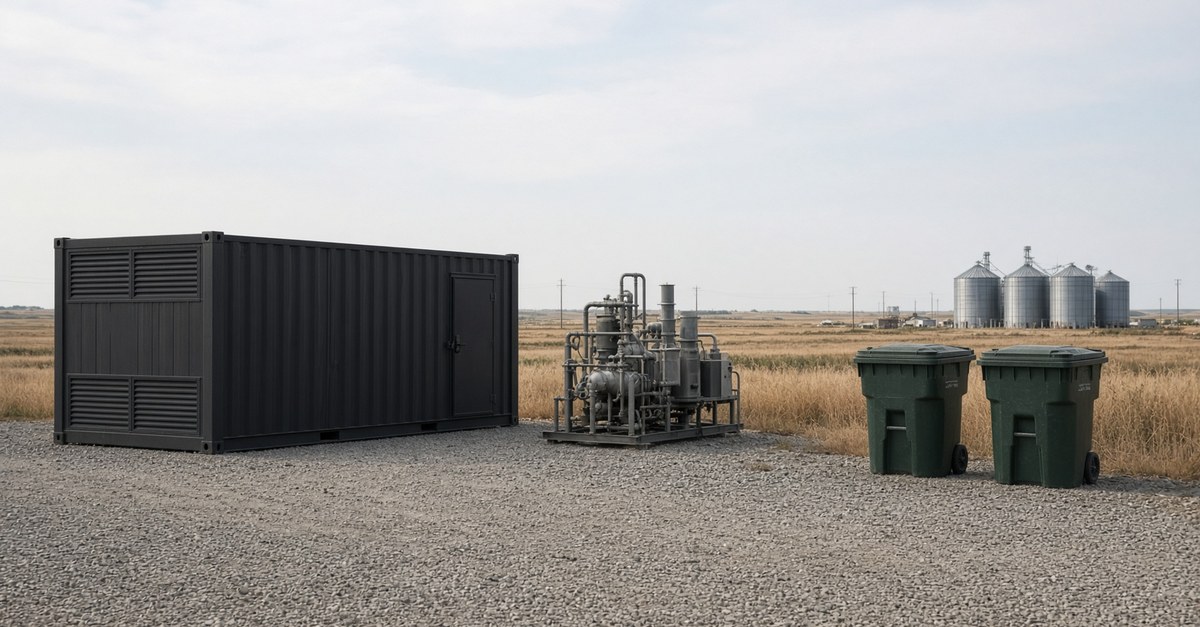
The container is the first brick in a hyperscaler
The Interior Department just signed the first-ever tribal energy agreement. Here is why a single container on sovereign land changes what a hyperscaler can be.

The room decided before you walked in
Participatory sensemaking is not a workshop exercise. It is the reason some decisions stick and others get quietly buried.

The UN counted. You still have to hold the keys.
A UN report on Indigenous data sovereignty names the problem. Sovereignty Tension names the choice underneath it.

Arizona tribes want energy. The container is already the answer.
The Arizona Tribal Energy Summit named the gap. A single closed-loop container on sovereign land closes it and starts a hyperscaler.

38 percent sovereign is not sovereign
When borrowed infrastructure runs the foundation, the label on the door does not change what happens inside.

The circle you skipped is why the system stalled
Inclusive Adaptive Capacity explains why the fastest-adapting organizations are the ones that widened the circle before the crisis hit.
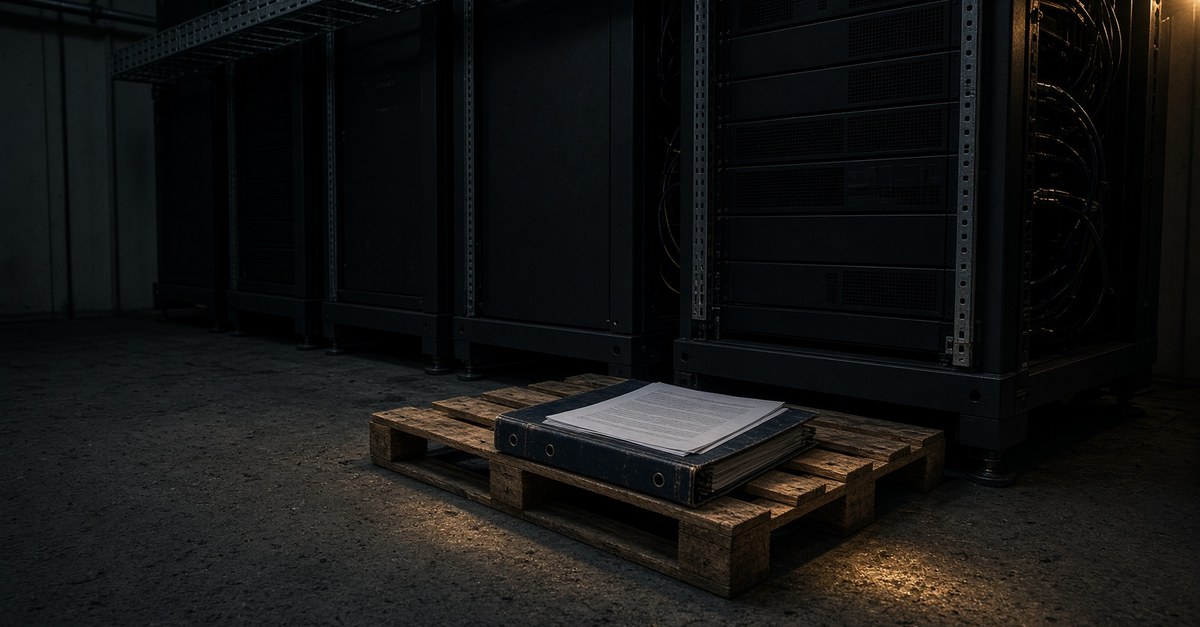
The layer under the racks that ARPA-H cannot buy
ARPA-H just committed $62 million to AI-guided heart failure care. The technology question is settled. The governance question is not.

Seventeen products built from a phone in Ada
What solo building with AI actually teaches about leadership theory, and why the phone is not the point.

Flexibility without a floor just moves the ceiling
Tribal nations are signing data center deals on their own terms. That is equity-centered flexibility. Here is what distinguishes it from the kind that only helps whoever was already ahead.
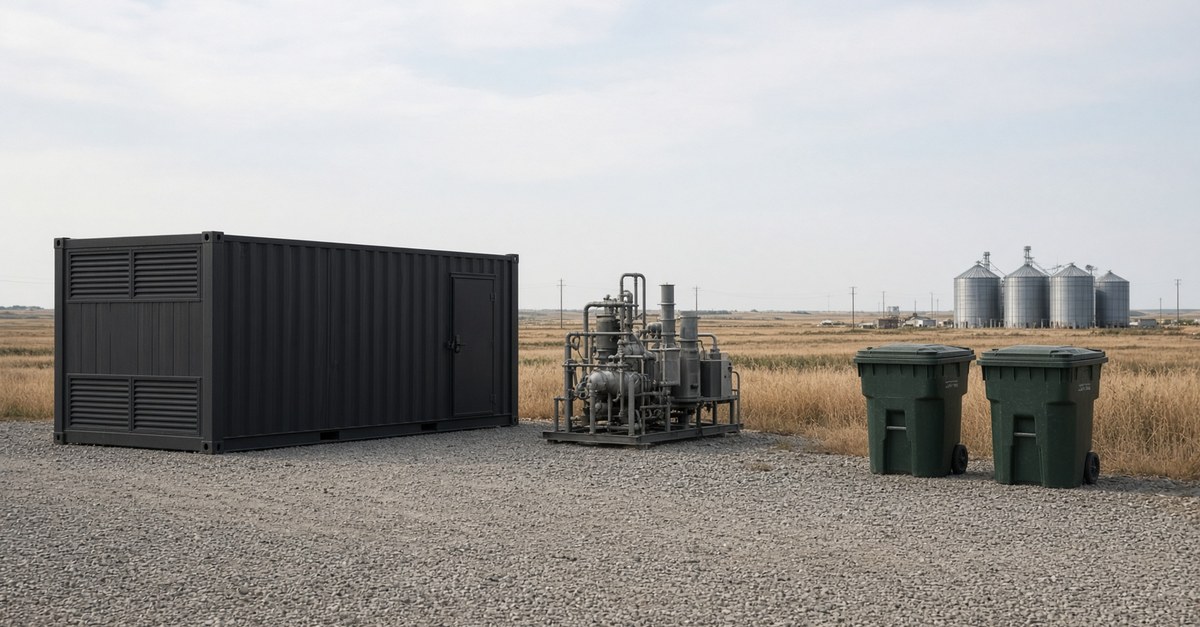
Bloomberg noticed the playbook tribal nations wrote first
A single container on tribal land is not a pilot. It is the first repeat of a pattern that scales to a hyperscaler.

The patient record that never crossed a wire
PHI that stays on the local node is not just a compliance posture. It is the architecture of a durable business model.

The channel clinicians would not open in the room
Federal health officials outlined AI ambitions at CTA while clinicians debated risks aloud. That gap has a name in AILT: a closed psychological safety channel.

Canada just paid for a room you already own
Saskatchewan just got a sovereign AI investment. What that headline reveals about the real cost of borrowed infrastructure.

Every rule you refuse to bend sends a bill
Consistency is a leadership asset. It is also an expense. AILT names the cost before you pay it.
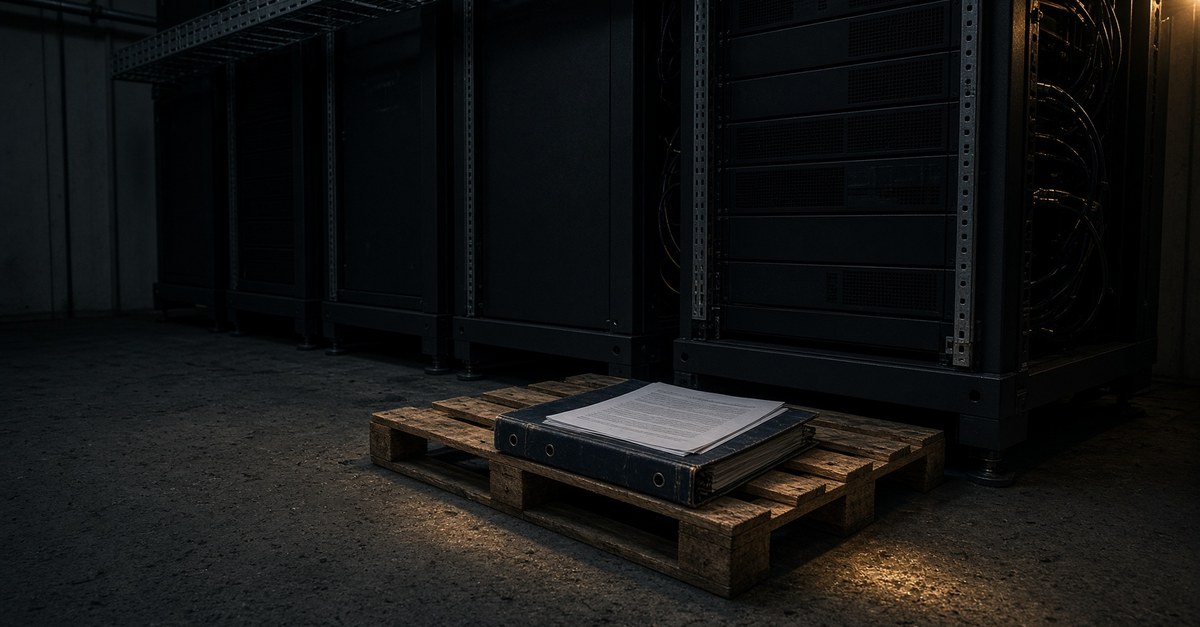
Governance sits under the racks
Why Adaptive Inclusive Leadership Theory is Layer 1 of the architecture, not a values statement taped to the door.
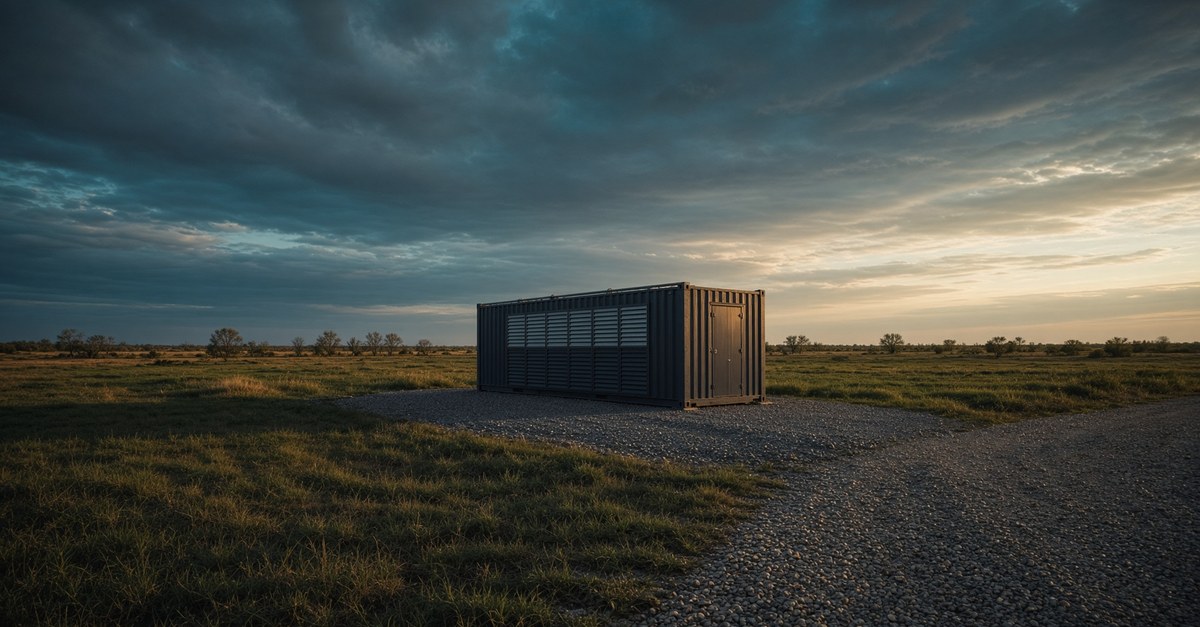
One container is a hyperscaler if you can repeat it
The next hyperscaler is not a campus you announce. It is a node you can stand up on land the community already holds.

Decisions made with the room hold
Participatory Sensemaking is not a workshop. It is why a choice still makes sense after the people who made it have gone home.

Borrowed speed always invoices late
Sovereignty Tension is the pull between owning your infrastructure and moving at the speed of someone else's.

Widen the circle before you change the system
Inclusive Adaptive Capacity: organizations adapt only as far as they included people before the adaptation began.

Why this journal exists
A daily record of building sovereign AI infrastructure one node at a time, and the leadership theory that governs it.
Free
Subscribe
One email when there is an entry. Nothing else. No pitch. Unsubscribe whenever you want.
51 entries in the first week. Browse the archive, or read the AILT constructs.